
Why CPR is Important for Everyday People - Not Just Medical Professionals

Why CPR is Important for Everyday People — Not Just Medical Professionals
When we think about CPR (Cardiopulmonary Resuscitation), many of us picture doctors, nurses, or first responders springing into action. But here’s the truth: CPR saves lives, and you don’t need a medical degree to perform it. In fact, bystanders like you regular, everyday individuals are often the first and only line of defense when someone suddenly collapses from cardiac arrest.
Every Second Counts
Cardiac arrest can strike without warning. One moment a person is fine, the next, their heart has stopped beating effectively. According to the American Heart Association, about 70% of cardiac arrests happen at home. That means the person who needs help could be your spouse, child, neighbor, or coworker.
Once the heart stops, the brain can go without oxygen for only a few minutes before permanent damage or death occurs. CPR helps keep blood flowing to the brain and vital organs until professional help arrives. It doesn’t "restart" the heart, but it buys time—precious, life-saving time.
Bystander CPR Doubles or Triples Survival Rates
Statistics are clear: when CPR is started immediately, the chances of survival can double or even triple. But only about 40% of people who suffer out-of-hospital cardiac arrests receive CPR from a bystander. That gap is tragic—and totally preventable.
Knowing CPR means you can step in and give someone a fighting chance to survive. It can be the difference between life and death.
You Don’t Have to Be a Hero—Just Be Ready
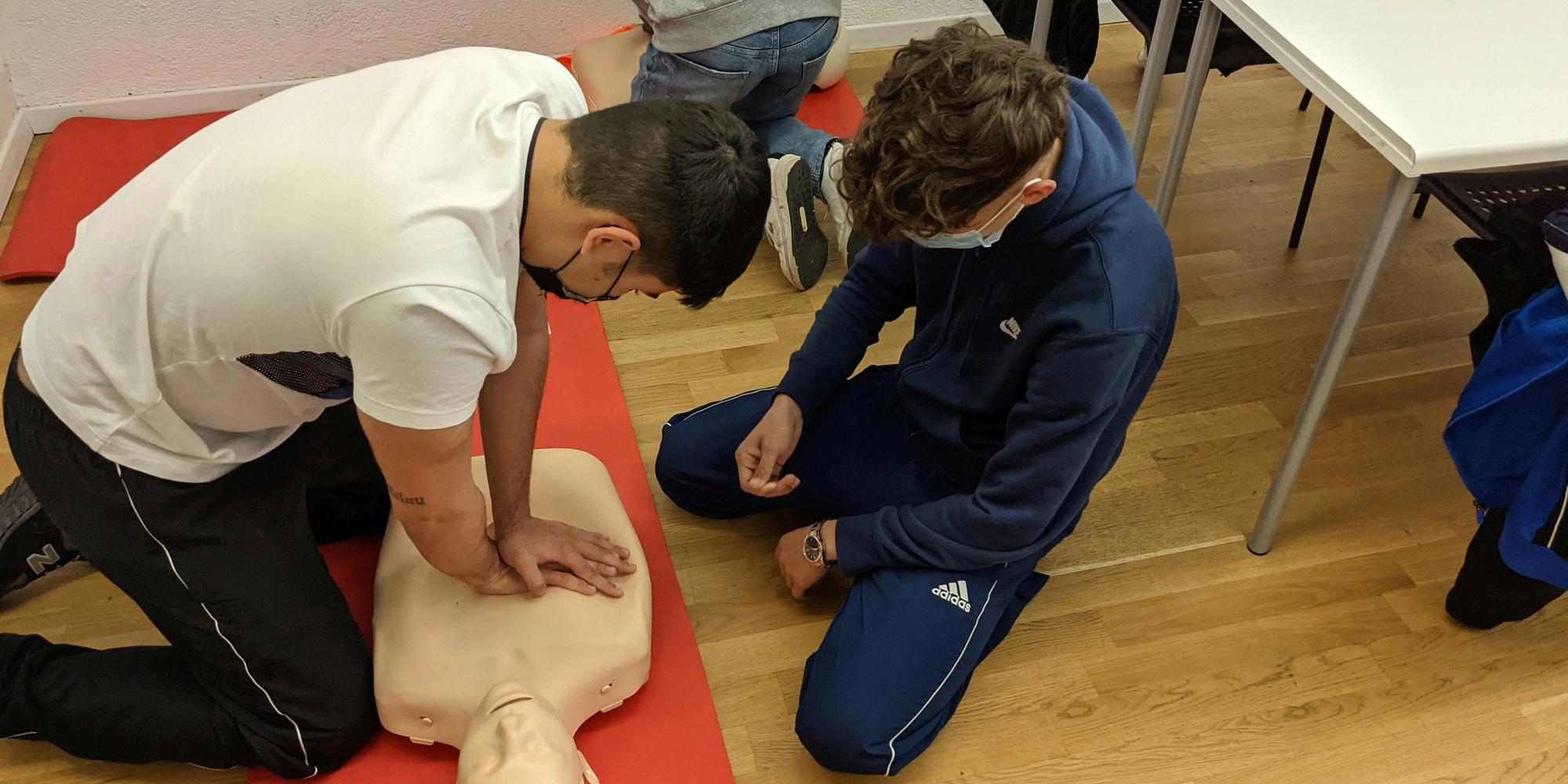
Modern CPR training is simple and accessible. In fact, hands-only CPR (just chest compressions no mouth-to-mouth) is now recommended for most adults in emergency situations. This makes it less intimidating and more likely that bystanders will take action.
You don’t have to perform perfectly. You just have to be willing to try.
Why You Should Learn CPR Today
- It’s fast – Most CPR courses take just a couple of hours.
- It’s easy – You’ll learn practical steps that stick with you.
- It’s empowering – You’ll feel more confident in emergencies.
- It’s lifesaving – You could save a friend, loved one, or stranger.
Be the Reason Someone Lives
You never know when you’ll be the first one on the scene. Learning CPR means you’re not helpless in a crisis—you’re prepared.
CPR isn’t just for doctors. It’s for moms. Dads. Teachers. Teens. You.
So take a class, get certified, and be ready to make a difference. Because when it comes to saving a life, the most important person might be you.